What is Shilajit and What Does It Do to Your Body?
Shilajit is a sticky substance found in mountain rocks, formed through the slow decomposition of plant material over centuries. This ancient ayurvedic medicine has gained attention for its many health benefits, but understanding what shilajit does to your body requires looking at both its chemical composition and where it comes from.
 When you take shilajit daily, your body receives a complex blend of fulvic acid, humic acid, amino acids, and trace minerals. These humic substances work together to support cognitive health, reduce inflammation, and provide comprehensive nutritional support.
However, the effects of shilajit depend heavily on whether you're consuming purified shilajit from pristine sources or potentially contaminated products from industrialized regions.
Health Benefits of Shilajit: What Clinical Studies Show
What Happens If I Take Shilajit Daily?

Clinical trials have examined shilajit supplementation across various health conditions. Preliminary studies suggest that taking shilajit may support:
Cognitive Function and Brain Health: Research shows shilajit attenuates behavioral symptoms associated with cognitive decline. The fulvic acid content, particularly fulvic acid combined with other humic substances, may help protect against tau protein accumulation and trigger brain cell damage reduction. Some studies explore its potential role in alzheimer's disease prevention, though more research is needed for scientific validation.
Energy and Fatigue: Clinical studies indicate shilajit may help with chronic fatigue syndrome by supporting mitochondrial function and cellular energy production. Many users report sustained energy when taking shilajit regularly.
Cardiovascular Support: Animal studies on experimentally induced myocardial injury suggest potential protective effects, though human clinical evaluation remains limited.
Bone Health: Research on postmenopausal women shows shilajit may support bone mineral density and reduce bone loss, making it relevant for those concerned about bone density maintenance.
Does Shilajit Really Boost Testosterone?

One of the most common questions is "does shilajit actually raise testosterone?" A placebo controlled trial published in j med food demonstrated that shilajit supplementation increased testosterone levels in healthy volunteers. What happens when a man takes shilajit includes potential improvements in male infertility markers and muscle strength, though individual results vary.
The molecular composition of shilajit, including its fatty acids and complex B vitamins, may influence the hypothalamic pituitary adrenal axis, which regulates hormone production. However, shilajit is not a drug – it's a dietary supplement, and effects differ from pharmaceutical interventions.
What Are the Disadvantages of Using Shilajit?
Side Effects and Safety Concerns
While shilajit offers potential benefits, understanding adverse effects is crucial. The international journal literature notes several considerations:
Contamination Risks with Raw Shilajit: Unprocessed shilajit or native shilajit may contain heavy metals, harmful contaminants, and microplastics depending on source environment. This is why purified shilajit from protected regions is essential.
Is Shilajit Safe for Kidneys?: Questions like "is shilajit hard on your kidneys" arise because some sources may contain too much iron or other minerals. Consult your healthcare provider before use, especially if you have existing health conditions.
Who Cannot Take Shilajit: Those with certain blood sugar conditions, immune response disorders, or allergic reaction history should avoid shilajit. The food and drug administration doesn't regulate shilajit supplements, making third party testing critical.
What to Avoid with Shilajit
When taking shilajit, avoid unverified sources that lack proper testing for heavy metals and contaminants. Many health food stores carry shilajit supplements without adequate quality control. Always choose products with clinical evaluation and scientific validation.
The Critical Difference Between Himalayan and Altai Shilajit
What is the Difference Between Siberian and Himalayan Shilajit?
This question goes beyond simple geography – it's about fundamental environmental quality affecting your health. Let's examine what scientific research reveals about these sources.

The Himalayan Reality: Industrial Impact on "Pure" Sources
Despite health claims about "pristine Himalayan peaks," the reality contradicts the marketing. Recent clinical studies and environmental research reveal concerning contamination:
Industrial Pollution: The Himalayan region faces significant industrial pressures. Numerous brick kilns, coal power plants, and chemical industries release pollutants that rise with air currents, reaching high-altitude zones where shilajit forms. Studies document severe particulate matter pollution (PM10 and PM2.5) throughout the region.
Microplastic Contamination: Scientific research has identified microplastic particles in major Himalayan rivers including the Ganga, Indus, and Brahmaputra. More alarming, microplastics have been found in high-altitude lake sediments and glacier snow. Studies show microplastic concentrations in Indian Himalayan lakes surpass those in other Indian lakes due to substantial atmospheric transport.
Chemical Corridors: The Sirsiya Industrial Corridor exemplifies the problem–approximately 2,000 registered factories including leather tanneries, textile processing facilities, and chemical plants discharge pollutants directly into ecosystems where shilajit forms. Chromium compounds, synthetic dyes, and heavy metals enter the environment where this "pure Himalayan shilajit" supposedly originates.
The 2024 Himalayan Cleanup project revealed that 90% of collected waste was plastic, with 72% being non-recyclable packaging. This isn't superficial litter–it's ecosystem-wide contamination affecting the very rocks where shilajit absorbs substances over centuries.
What is Altai Shilajit Resin? Understanding the UNESCO Advantage

Altai shilajit resin comes from the Golden Mountains of Altai, designated a UNESCO World Heritage Site in 1998. This 16,178 km² protected area includes the Altai and Katun Natural Reserves, Lake Teletskoye, Mount Belukha, and the Ukok Plateau.
What is the difference between Himalayan and Altai Shilajit? The answer lies in environmental protection:
- Genuine Conservation: UNESCO World Heritage status means strict environmental protections, limited industrial activity, and decades of conservation management
- Minimal Contamination: No major industrial corridors, no concentrations of chemical factories, no atmospheric microplastic transport from heavily populated areas
- Verifiable Purity: The remoteness isn't marketing–it's verifiable fact backed by international environmental organizations
When comparing sources, Altai represents what Himalayan marketing claims to be: truly pristine mountain resin formed in protected ecosystems.
Which Form of Shilajit is Most Effective?
Shilajit Resin vs. Powder vs. Capsules vs. Gummies

What is shilajit resin good for? Resin is the traditional form: purified shilajit that you measure and dissolve in warm water, with its fulvic acid, humic substances, and other bioactive compounds. Purification removes contaminants.
Are shilajit capsules or powder better? Shilajit capsules trade the resin ritual for a pre-measured, taste-free serving; check the label for the amount of shilajit per capsule and any added ingredients. Powder forms increase surface area exposure to oxidation, potentially degrading the molecular composition.
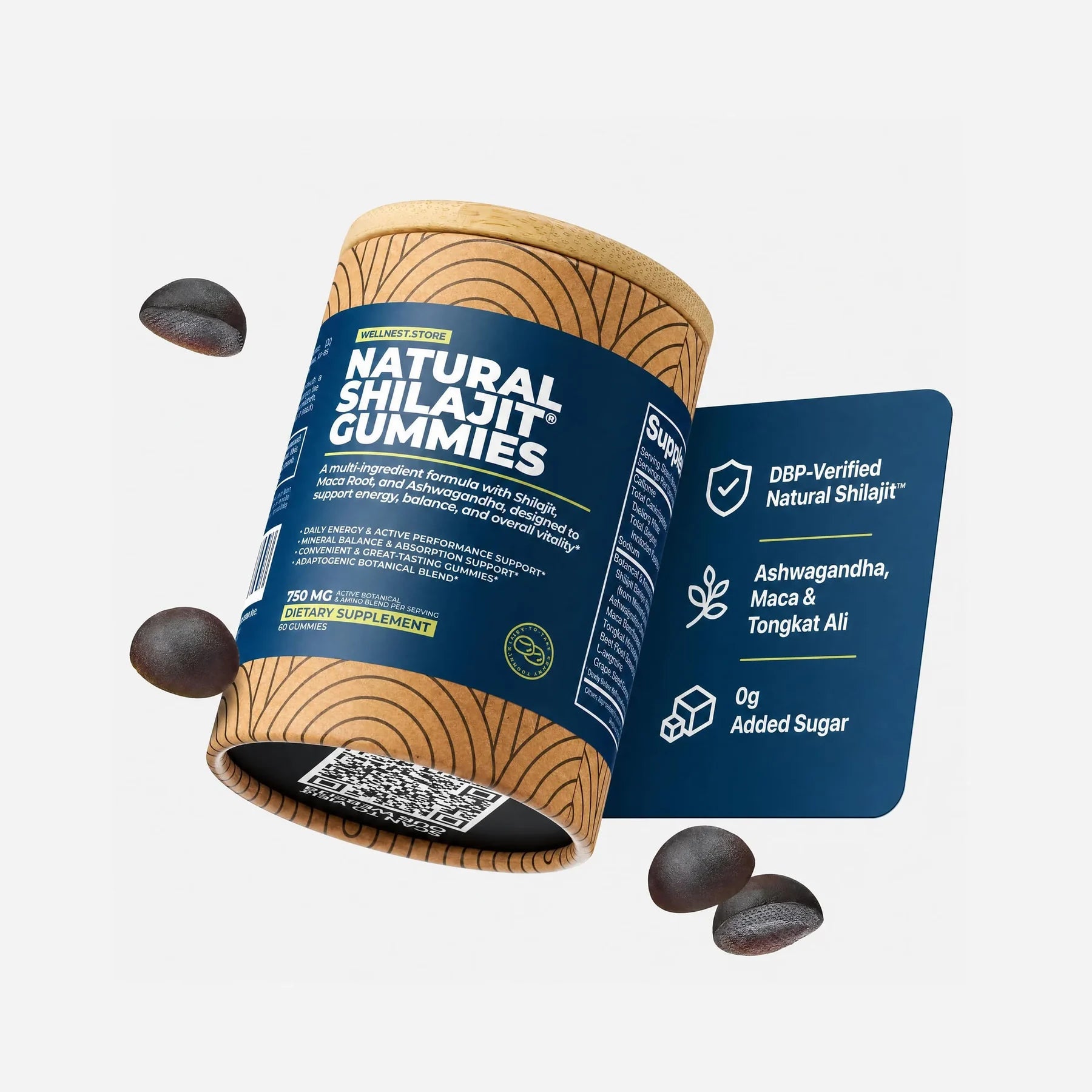
Do shilajit gummies actually work? Gummies are a pre-measured way to take shilajit, and they hide its bitter taste. Judge a gummy by its label: the amount of shilajit per serving, the sweetener, and batch testing.
Is shilajit resin better than capsules? Neither form is better by default. Resin dissolves easily in warm water and suits a morning ritual; capsules suit travel and people who dislike the earthy taste. Choose the form you will take consistently, from a source that publishes batch testing.
How to Use Shilajit for Men and Women

How Do You Take Altai Shilajit?
For both men and women, proper usage enhances potential benefits:
- Dosage: Start with a rice-grain-sized portion (approximately 300-500mg)
- Method: Dissolve in warm water or beverage
- Timing: Morning consumption on empty stomach for optimal absorption
- Consistency: Daily use recommended for cumulative effects
What happens if we take shilajit daily? Consistent use allows the amino acids, fulvic acid, and minerals to accumulate in your system, potentially supporting energy, mental health, immune system function, and overall wellness.
Which Brand of Shilajit is Best? The Source Question
Which Shilajit is 100% Pure?
"Pure" is meaningless without environmental context. A product can be "100% shilajit" yet still contain heavy metals and harmful contaminants absorbed during formation in polluted regions.
The quality factors that matter:
- Source Environment: Protected, monitored ecosystems (like UNESCO Heritage Sites) vs. industrial zones
- Third Party Testing: Independent verification of heavy metal content and contaminant screening
- Processing Methods: Purification that removes impurities while preserving beneficial compounds
- Transparency: Brands that specify exact collection locations vs. vague "Himalayan" claims
What is Altai Shilajit Resin and Why It Matters

Altai shilajit resin represents the gold standard because it addresses all quality factors:
- Protected Source: UNESCO World Heritage Site with decades of environmental monitoring
- Minimal Industrial Exposure: Remote location with clean air quality and limited atmospheric pollutants
- Traditional Harvesting: Sustainable collection by experienced locals who understand seasonal variations
- Rigorous Testing: Modern quality control combined with traditional purification methods
Is Shilajit Actually Worth Taking? The Evidence-Based Answer
Scientific Validation vs. Health Claims
Novel investigations into shilajit's effects continue expanding our understanding. Phytotherapy research demonstrates strong anti inflammatory properties and potential benefits across multiple systems. However, the food and drug administration doesn't regulate dietary supplements, making independent clinical evaluation crucial.
What peer-reviewed research shows:
- Published studies in journals like "j diet suppl" and "j med food" demonstrate measurable effects
- Clinical studies with healthy volunteers show improvements in various biomarkers
- Introduction shilajit into traditional medicine systems stems from centuries of observed benefits
- More research is needed for definitive health claims, particularly regarding specific health conditions
The Source Quality Factor
 Here's what many health claims ignore: shilajit may offer benefits only when sourced from pristine environments. A product contaminated with heavy metals, microplastics, or industrial chemicals may introduce more problems than benefits, regardless of its fulvic acid content.
Think of it this way–shilajit forms like a sponge over centuries, absorbing everything from its environment. In a UNESCO-protected ecosystem, it absorbs pure minerals and beneficial compounds. In an industrialized region, it absorbs pollution.
Comparing Shilajit to Other Supplements
Is Shilajit Like Ashwagandha?
Both are ayurvedic medicine staples, but they work differently:
- Ashwagandha: Primarily an adaptogen affecting stress response and the hypothalamic pituitary adrenal axis
- Shilajit: Primarily a mineral complex with fulvic acid that supports energy metabolism and cellular function
They can complement each other, with some practitioners recommending both for comprehensive support.
Fulvic Acid and Humic Substances: The Active Components
What does fulvic acid do to the gut? Fulvic acid may support nutrient absorption and gut barrier integrity. As a component of humic substances, it helps transport minerals across cell membranes.
Is fulvic acid safe for the liver? Clinical trials suggest safety when consumed in appropriate amounts, though those with existing liver conditions should consult their healthcare provider.
Is fulvic acid good for testosterone? The testosterone effects attributed to shilajit may stem partly from its fulvic acid content and its interaction with mineral metabolism and hormone synthesis pathways.
What Foods Are High in Fulvic Acid? Natural Sources Beyond Shilajit
While shilajit provides concentrated fulvic acid content, other sources include:
- Organic compost-grown vegetables (absorb fulvic acid from healthy soil)
- Certain mineral-rich spring waters
- Specific soil-based organisms (though supplementation of these remains controversial)
However, these sources provide trace amounts compared to purified shilajit with high fulvic acid content.
Understanding Humic Acid: Beyond Garden Applications
What is Humic Acid Used For?
Humic acid has applications both in agriculture and human consumption:
Agricultural Uses: "What does humic acid do to lawns?" It improves soil structure, nutrient retention, and microbial activity. "What is the best source of humic acid" for gardens is composted organic matter.
Human Consumption: In shilajit, humic acid works synergistically with fulvic acid and amino acids to support cellular function. Research suggests potential immune response modulation and anti inflammatory effects.
What Are the Negative Effects of Humic Acid?
In high concentrations or poor-quality sources, humic acid may cause digestive upset or interact with medications. This emphasizes the importance of purified shilajit from reputable sources rather than unprocessed material.
The Natural Shilajit Difference: Altai-Sourced Excellence

At Natural Shilajit, we made a deliberate choice to source exclusively from the Altai Mountains because we refuse to compromise on quality. Our Altai shilajit resin is:
- Gold Grade Quality: Harvested from protected areas within the UNESCO World Heritage Site
- Rigorously Tested: Third party testing for heavy metals and harmful contaminants
- Traditionally Processed: Purification methods that preserve fulvic acid content while removing impurities
- Sustainably Collected: Working with experienced local harvesters who practice conservation
When you choose Natural Shilajit, you're not just getting ayurvedic medicine–you're getting shilajit supplements from a genuinely pristine source, free from the industrial contamination affecting other regions.

The Bottom Line: Source Quality Determines Health Benefits
After examining clinical trials, understanding the chemical composition, and reviewing environmental research, one conclusion becomes clear: the potential benefits of shilajit depend entirely on source quality.
You can find cheaper shilajit supplements at health food stores, but if they come from contaminated regions, you're potentially introducing heavy metals and harmful contaminants into your body–defeating the entire purpose of supplementation.
Key takeaways:
- Always verify source environment: UNESCO protection and conservation status matter
- Demand third party testing: Don't rely on brand claims alone
- Choose a form you will take consistently: Resin, capsules, tablets, gummies, or honey sticks, as long as each batch is tested
- Consult your healthcare provider: Especially if you have existing health conditions
- Prioritize purity over price: Your mental health, immune system, and overall wellness deserve the best
Experience the difference that genuine purity makes. Natural Shilajit's Altai-sourced resin represents what shilajit should be–formed over centuries in one of Earth's last truly pristine mountain environments and tested for safety.
Your body deserves nothing less than the best nature has to offer–and nature's best comes from the protected peaks of the Golden Mountains of Altai.
These statements have not been evaluated by the Food and Drug Administration. This product is not intended to diagnose, treat, cure, or prevent any disease. Consult your healthcare provider before beginning any supplement regimen.