PhD Pharmacognosy, Gazi University. 8 SCI publications. 7+ years lab research (HPLC, LC-QTOF-MS). Specialist in medicinal plant bioactivity.
View full profile →
TL;DR: The Bottom Line on Dibenzo-alpha-Pyrones
- Dibenzo-alpha-Pyrones (DBPs) are the key bioactive compounds in shilajit that support the mitochondrial electron transport chain, the core of cellular energy production.
- DBPs act as electron shuttles, helping to optimize ATP generation and protect mitochondria from oxidative stress, which preserves long-term energy capacity.
- Unlike caffeine's temporary stimulation, DBPs support sustained, foundational energy at the cellular level without a subsequent crash.
- Authentic shilajit's DBP concentration is only verifiable through advanced lab testing like LC-MS/MS; our Altai resin contains a verified 6.2% DBP.
The Foundational Role of DBP in Shilajit
Dibenzo-alpha-Pyrones (DBPs) are the primary bioactive compounds in shilajit that directly support mitochondrial function. These molecules act as electron shuttles within the electron transport chain (ETC), a critical process for generating adenosine triphosphate (ATP) - your body's main energy currency. Research shows that by optimizing this process, DBPs support the very foundation of cellular energy.
What Exactly Are Dibenzo-alpha-Pyrones (DBP)?
Dibenzo-alpha-Pyrones are unique antioxidant molecules formed over centuries as plant matter, rich in humic substances, is compressed and transformed by microbial metabolism within mountain rock. They are not found in common foods or synthetic supplements. Think of them as the concentrated essence of ancient organic material, refined by nature.
Their molecular structure allows them to act as electron reservoirs. As research in Phytotherapy Research (Ghosal et al., 1991) suggests, this unique capability enables DBPs to donate and accept electrons as needed, which is fundamental to their role in mitochondrial energy production. This stability is what separates them from more volatile antioxidant compounds.
What Our Customers Say

How Does DBP from Shilajit Boost Cellular Energy?
DBPs from shilajit boost energy by directly supporting the electron transport chain (ETC) inside your mitochondria. The ETC is a series of protein complexes that act like a biological power line, transferring electrons to ultimately produce ATP. This process is where the vast majority of your cellular energy is made.
Electron 'leaks' can occur during this transfer, creating damaging free radicals (oxidative stress) and reducing energy efficiency. DBPs function as a stabilizing force. A study on shilajit's phytocomplex published in the International Journal of Alzheimer's Disease (Carrasco-Gallardo et al., 2012) highlights its role in energy metabolism. By effectively shuttling electrons, DBPs help minimize these leaks, protecting the mitochondria and ensuring the power line runs smoothly. The result is more efficient and sustained ATP production.
How Does Shilajit's DBP Compare to Other Energy Supplements?
Shilajit's DBPs support the core machinery of energy production, while alternatives like caffeine or CoQ10 work through different mechanisms. Caffeine blocks adenosine receptors to create a temporary feeling of alertness, while CoQ10 is a necessary cofactor but doesn't have the same electron-shuttling capacity as DBPs. Shilajit works on a more fundamental level.
| Factor | Shilajit DBP | CoQ10 | Caffeine | B Vitamins |
|---|---|---|---|---|
| Mechanism | Direct ETC support | Indirect ETC cofactor | Adenosine blocker | Metabolic cofactors |
| Onset | 2-3 weeks | 2-4 weeks | 30 minutes | 1-2 weeks |
| Duration | Sustained | Sustained | 4-6 hours crash | Sustained |
| Side effects | Bitter taste | Minimal | Tolerance, anxiety | Minimal |
| Natural source | Shilajit resin | Organ meats, fish | Coffee beans | Whole grains |

Can DBP Improve More Than Just Energy Levels?
Yes. By protecting the mitochondria, DBPs may support cognitive function and healthy aging. Mitochondria are not just in muscle cells; they are densely packed in neurons and other high-demand cells. Mitochondrial dysfunction is a recognized hallmark of the aging process and is linked to declines in cognitive performance.
Research, such as a study on shilajit's effect on ATP production published in the Journal of Ethnopharmacology (Surapaneni et al., 2012), demonstrates its potential to enhance mitochondrial function. Protecting these cellular powerhouses has systemic benefits, promoting resilience and function throughout the body, particularly in the brain.
Where Can You Find Shilajit with Verified DBP Content?
Authentic, high-potency shilajit originates from specific high-altitude geological regions, primarily the Altai Mountains, a UNESCO Biosphere Reserve. The market is saturated with low-quality powders and counterfeit resins, often marketed as 'Himalayan' without any proof of origin or DBP content. These products lack the specific molecular composition required for mitochondrial support.
Verification is non-negotiable. The only way to confirm the presence and concentration of Dibenzo-alpha-Pyrones is through advanced laboratory analysis. Our Natural Shilajit Resin contains 6.2% DBP concentration - verified by Eurofins using LC-MS/MS Matrix Hydrolysis - directly supporting your mitochondria's electron transport chain. This level of transparency is the only way to ensure you are getting the active compounds responsible for shilajit's benefits.

"Shilajit's primary active components, dibenzo-alpha-pyrones, have been shown to support mitochondrial electron transfer chain activity."
- Visser et al., Journal of Ethnopharmacology
What Are the Trade-Offs of Using DBP Shilajit?
While effective, shilajit requires a realistic perspective. It is not a magic bullet. The most significant trade-offs include the time to see results, its distinct taste, and the necessity of careful sourcing.
- Time: This is not an instant stimulant like caffeine. Building up mitochondrial resilience is a biological process that takes time. Most users report noticeable effects after 2-3 weeks of consistent daily use.
- Taste: Pure, authentic shilajit has a strong, bitter, and earthy taste. This is a sign of its purity and mineral density. Some users prefer to mix it with honey or in our NutriHoney blend to make it more palatable.
- Sourcing: The market is filled with fakes. Products without third-party lab reports verifying DBP and fulvic acid content, as well as heavy metal safety, are a gamble.
- Cost: Genuine, lab-tested shilajit is more expensive than synthetic B-vitamins or caffeine pills because it is a rare, wild-harvested substance that requires rigorous quality control.
How Do You Take Shilajit for Mitochondrial Support?
For optimal mitochondrial support, a daily dose of 250-500mg of pure shilajit resin is the standard recommendation. This pea-sized portion should be dissolved in warm, non-chlorinated water or tea and taken in the morning on an empty stomach.
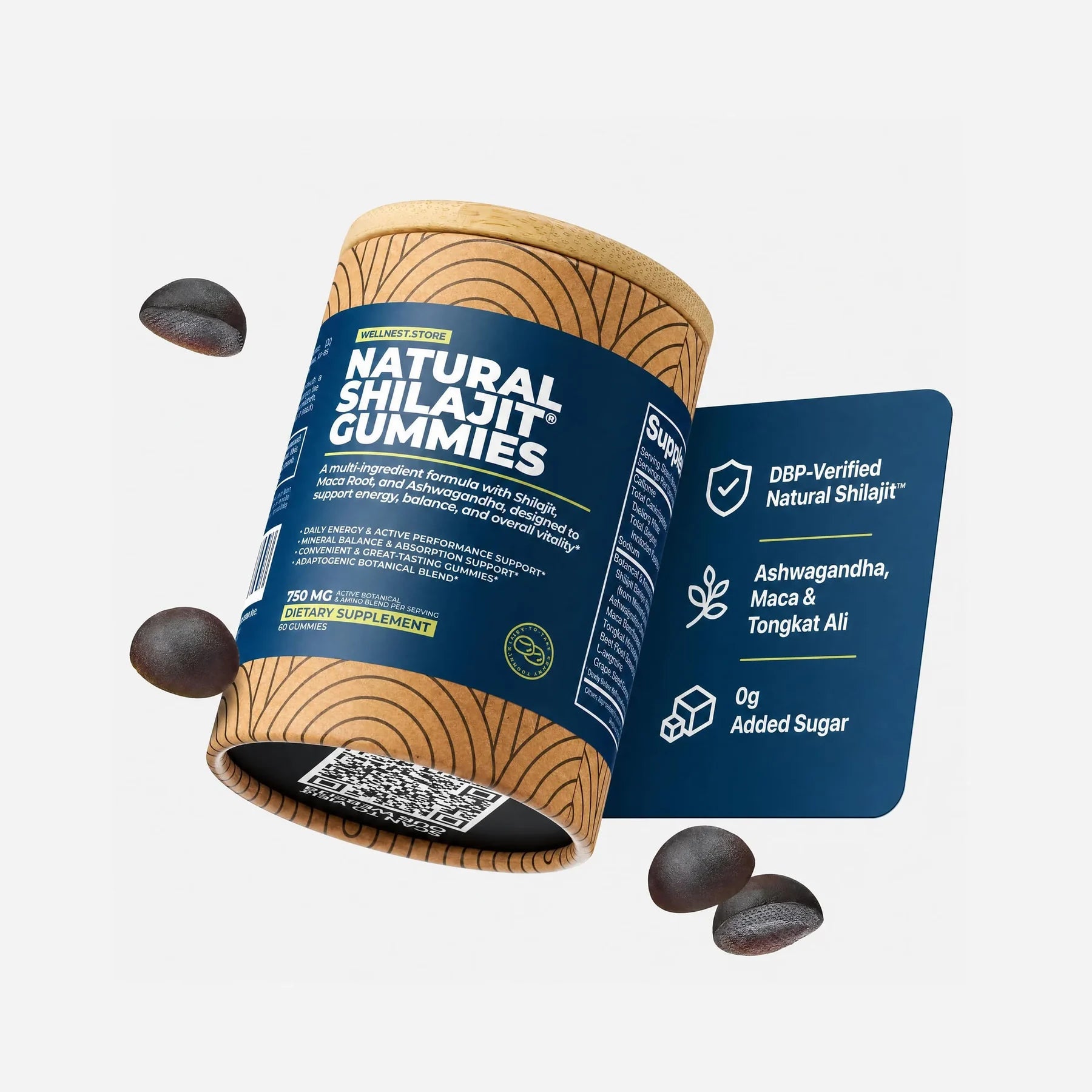
Consistency is more important than high dosage. Taking a massive dose will not accelerate the benefits. A steady, daily intake allows your cells to adapt and integrate the compounds effectively. For convenience, our Tablets and Gummies offer a pre-measured dose, while the pure resin is the most traditional form.

What Our Customers Say
Frequently Asked Questions About DBPs
DBPs are unique antioxidant molecules formed over centuries in mountain rock, acting as electron shuttles in your mitochondria to support ATP production.
By protecting the electron transport chain inside mitochondria, DBPs ensure efficient ATP generation and prevent energy 'leaks' that cause oxidative stress.
Both are beneficial, but they work differently. CoQ10 is an essential cofactor, whereas DBPs act as direct electron shuttles. They can be highly synergistic when used together.
Unlike stimulants like caffeine, shilajit works at a cellular level. Most users report significant, sustained energy improvements after 2 to 3 weeks of daily use.
Yes. Many users combine shilajit with their morning coffee. The DBPs help provide sustained energy that can mitigate the typical midday caffeine crash.
We use third-party Eurofins Laboratories to perform advanced LC-MS/MS testing, ensuring our Altai resin contains a verified 6.2% DBP concentration.
Sources
- Carrasco-Gallardo, C., Guzmán, L., & Maccioni, R. B. (2012). Shilajit: a natural phytocomplex with potential procognitive activity. International journal of Alzheimer's disease, 2012, 674142.
- Surapaneni, D. K., Adapa, S. R., Preeti, K., Teja, G. R., Veeraragavan, M., & Krishnamurthy, S. (2012). Shilajit attenuates behavioral symptoms of chronic fatigue syndrome by modulating the hypothalamic-pituitary-adrenal axis and mitochondrial bioenergetics in rats. Journal of ethnopharmacology, 143(1), 91 - 99.
- Bhattacharyya, S., Pal, D., Gupta, A. K., Ganguly, P., Majumder, U. K., & Ghosal, S. (2009). Beneficial effect of processed shilajit on swimming exercise induced impaired energy status of mice. Pharmacologyonline, 1, 817-825.
- Ghosal, S., Singh, S. K., Kumar, Y., Srivastava, R. S., Jaiswal, A. K., & Bhattacharya, S. K. (1991). Anti-ulcerogenic activity of fulvic acids and di-benzo-alpha-pyrones isolated from shilajit. Phytotherapy Research, 5(5), 211-214.
These statements have not been evaluated by the Food and Drug Administration. This product is not intended to diagnose, treat, cure, or prevent any disease.
Last updated: March 2026